“‘My Dearest Life and Only Love’: A Day in the Archives at Houghton Library, Harvard,” Photo Essay, Lama Elsharif.
North Meridian Review is a shared space of academics, artists, and activists. In this entry historian and researcher Dr. Lama Elsharif details her work in the archives and the beauty that is found in handling, studying, and preserving old records.
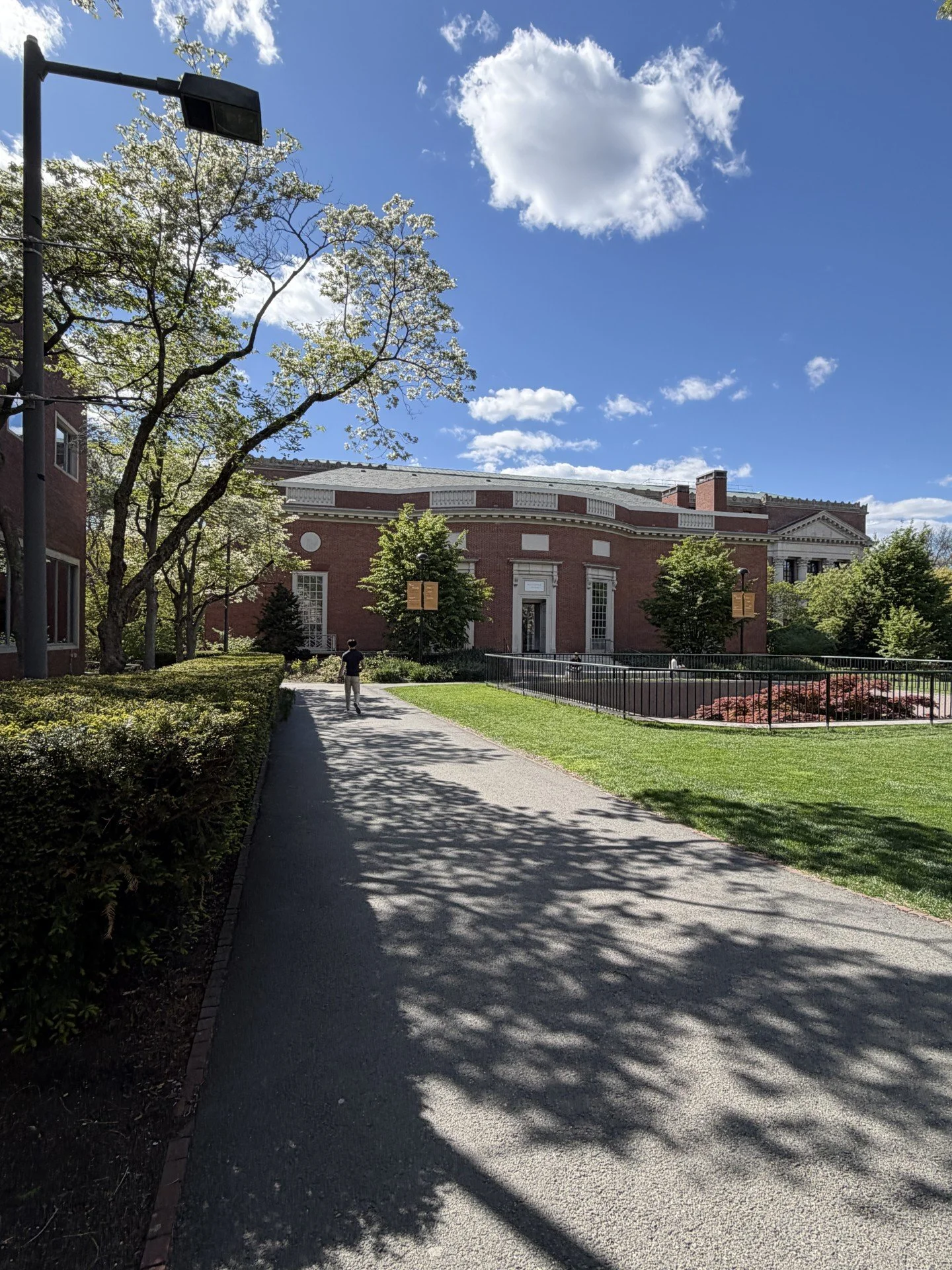
Fig. 1: “My Dearest Life and Only Love”: A Day in the Archives at Houghton Library, Harvard.
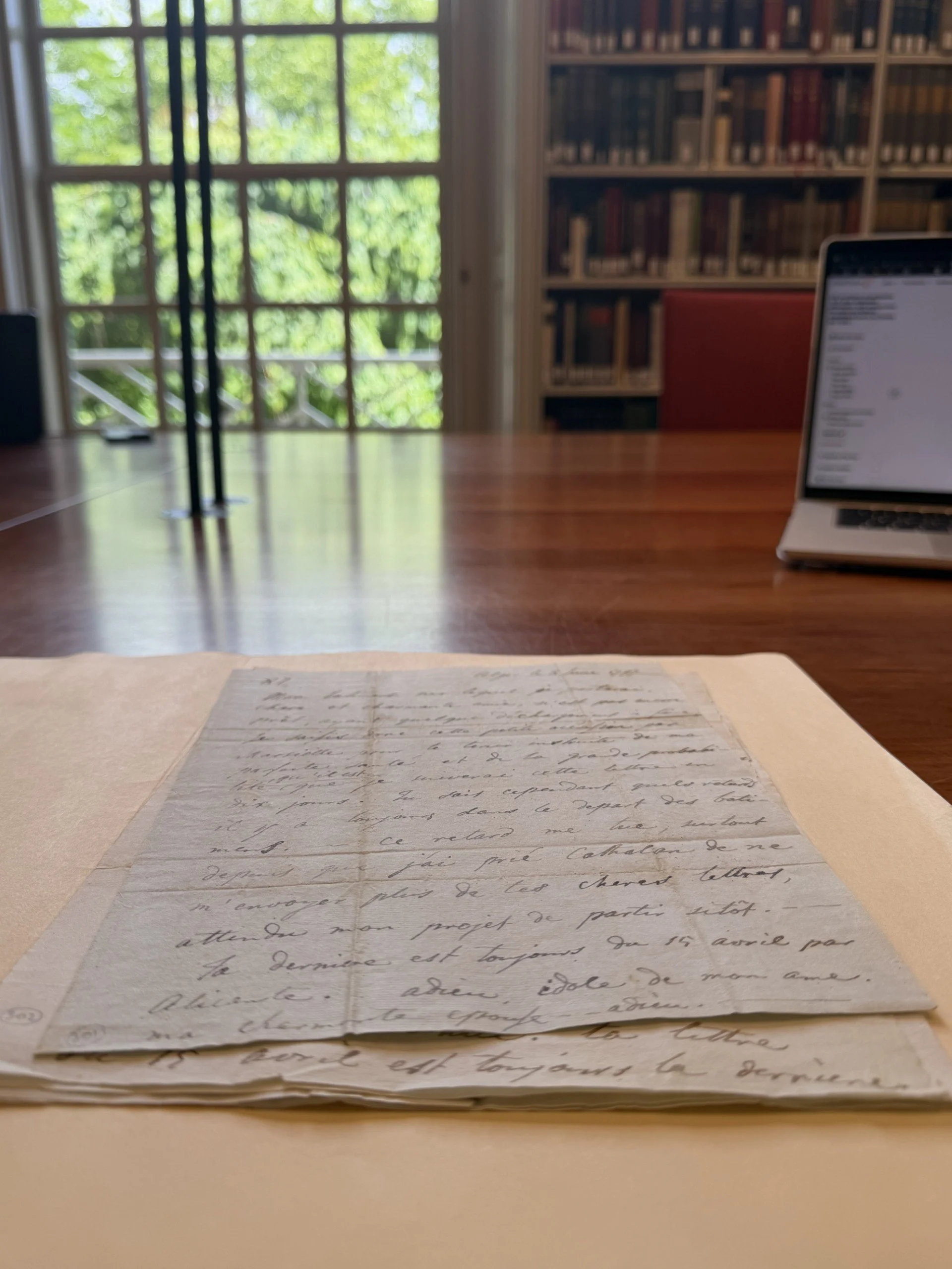
Fig. 2: Houghton Library at Harvard University houses one of the most remarkable rare books and manuscript collections in the world. On this visit, I came to consult the papers of Joel Barlow, a poet, political thinker, and also a US diplomat stationed in Algiers in the 1790s.
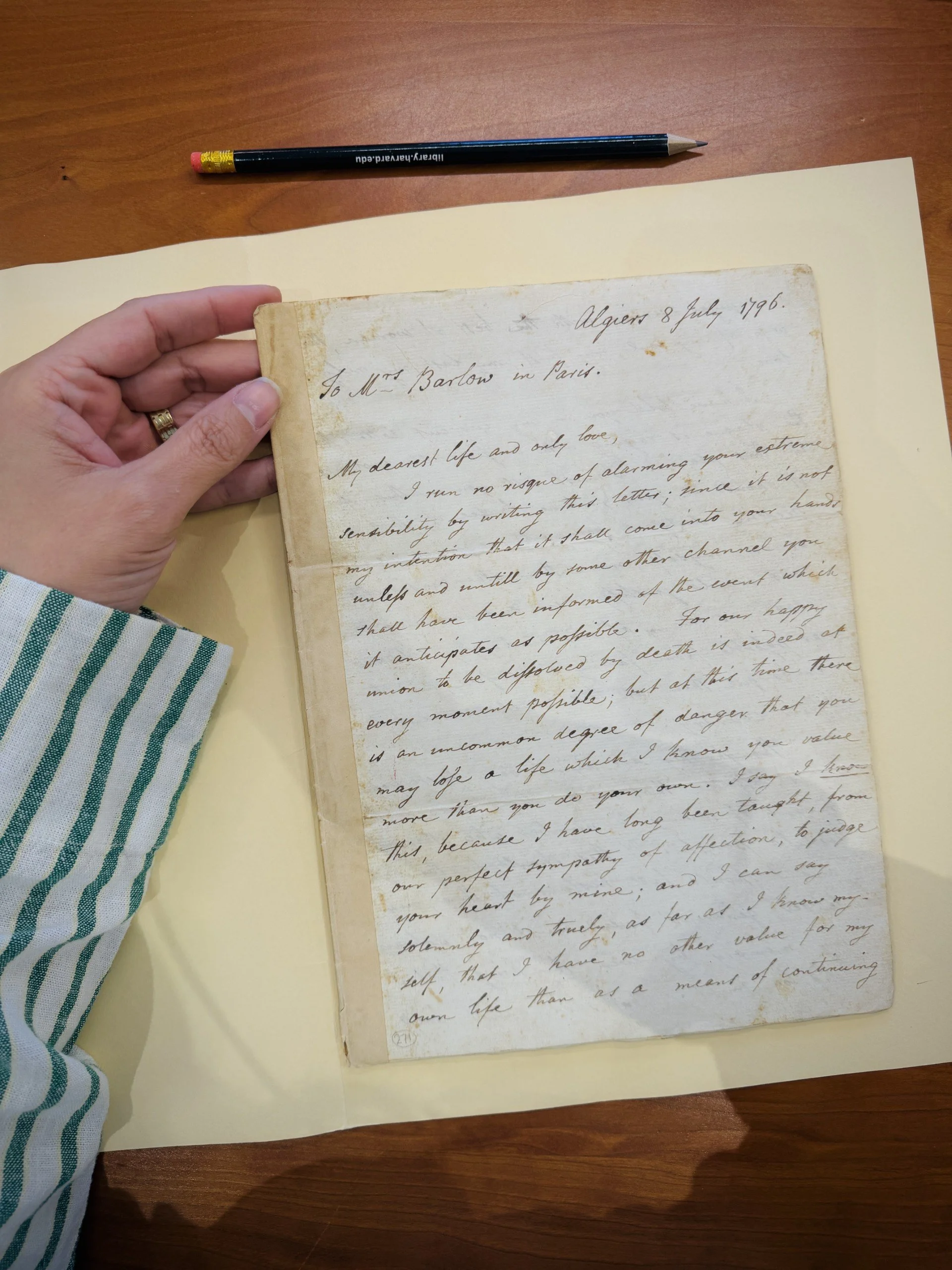
Fig. 3: Barlow’s papers include correspondence in both English and French. I went straight for the letters he wrote to his wife, Ruth. Over 300 of them survive in the collection at Houghton. In a letter from Algiers dated July 8, 1796, Barlow writes, “My dearest life and only love.” Diplomats usually reported to their governments, but you would be surprised with how much they told their wives.
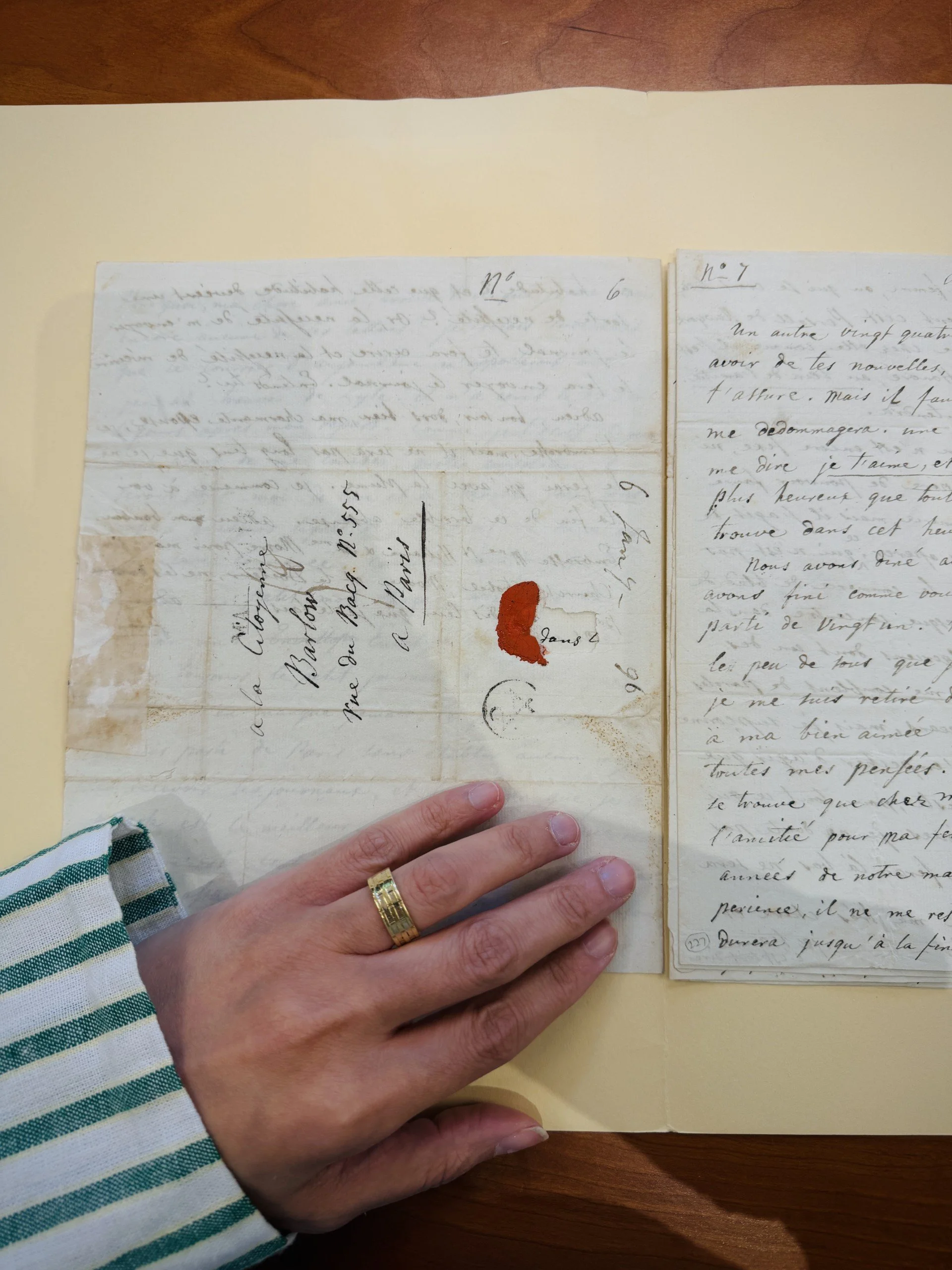
Fig. 4: Most letters still bear their original red wax seals, partially intact. Addressed to “Citoyenne Barlow, Rue du Bacq, Paris,” this letter is a reminder that Ruth was living in revolutionary France while her husband negotiated treaties across the Mediterranean.
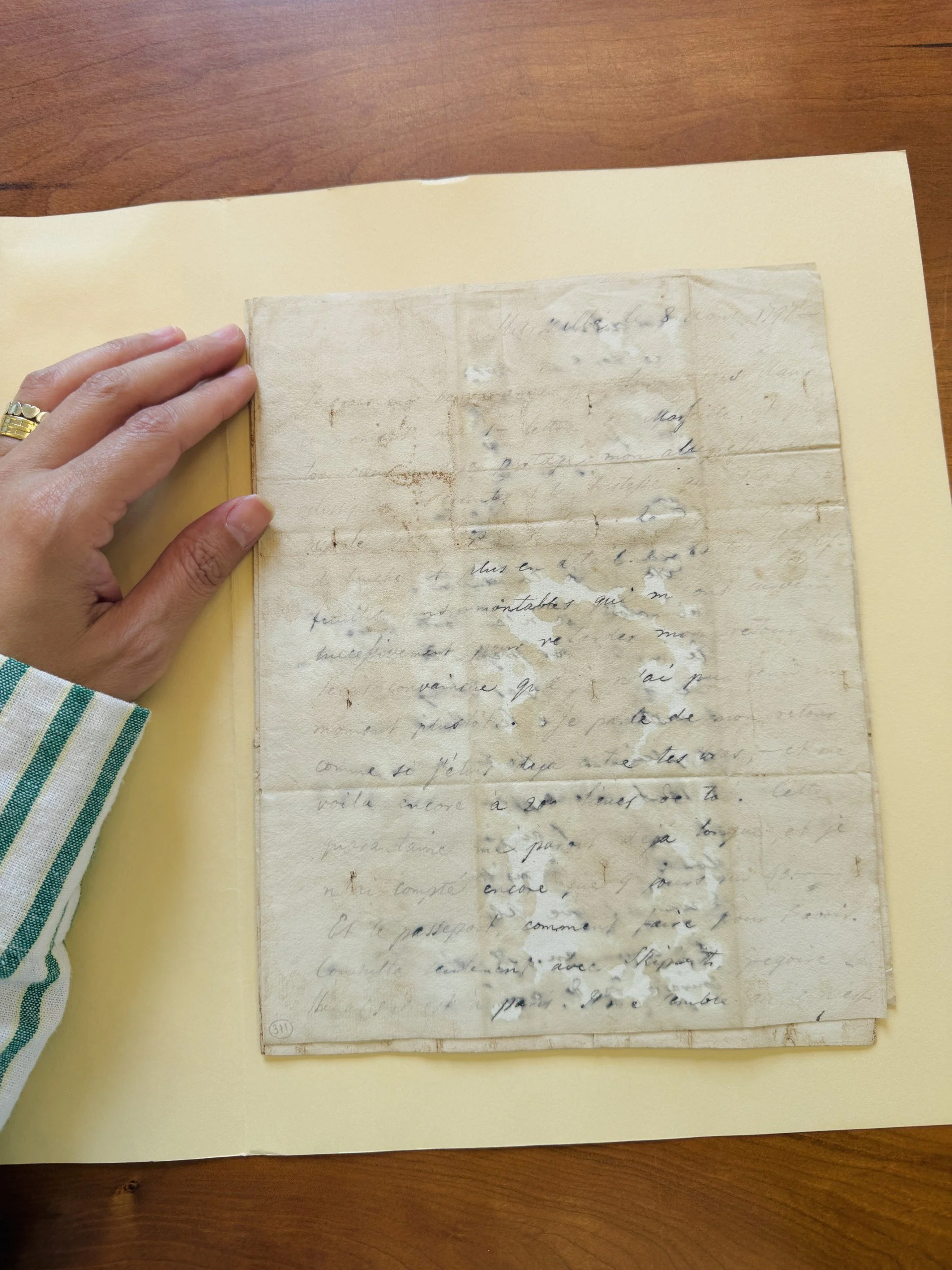
Fig. 5: Of course, not all documents survived in good condition. This one is barely legible. The ink had faded and words were just shadows on the page. The physical condition in the paper may be telling us something: that Barlow likely wrote it aboard a ship, and the damp environment did the rest.
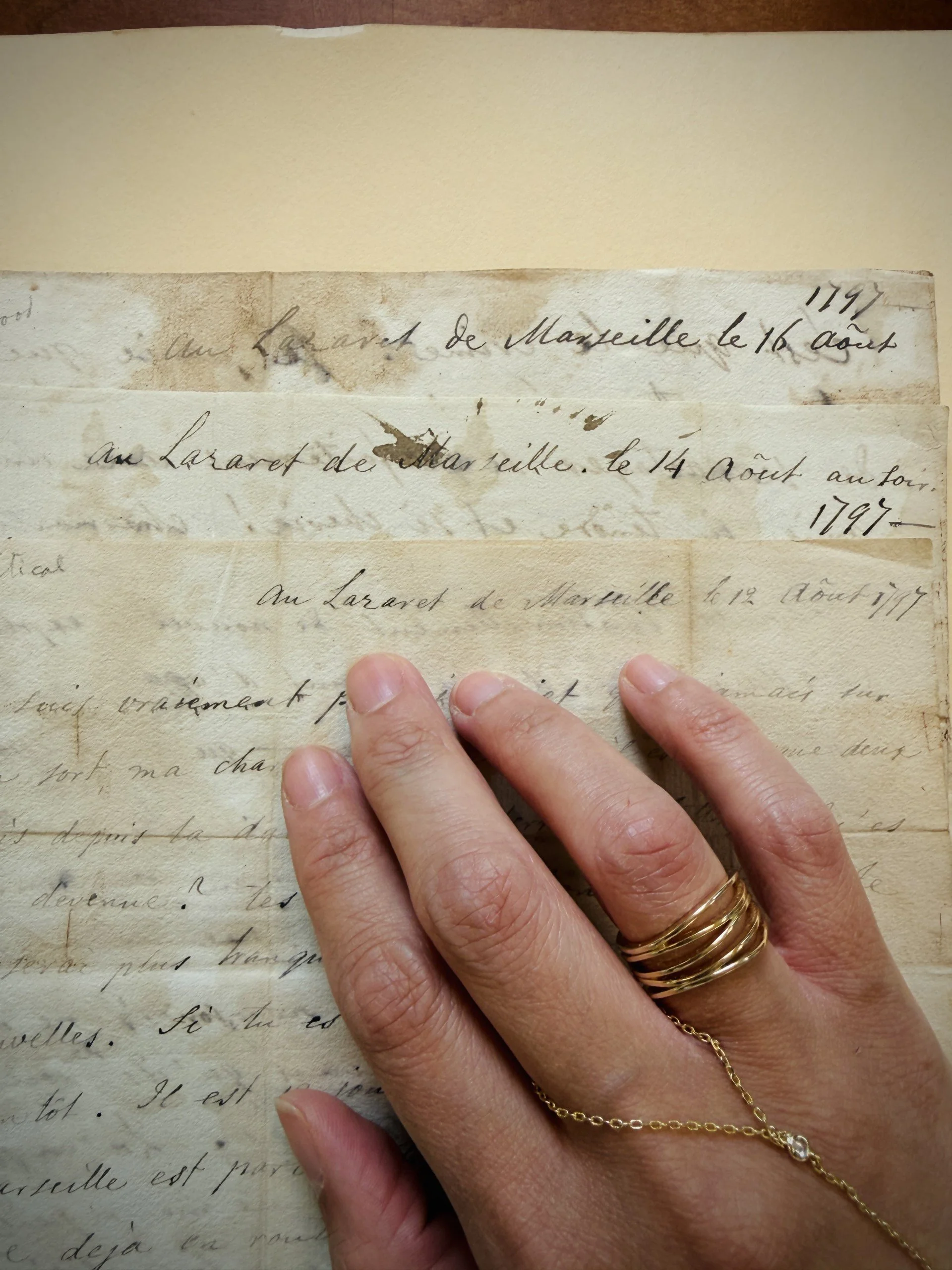
Fig. 6: Then came the discovery I wasn’t expecting. Three letters sent from the lazaretto in Marseille, a quarantine facility holding ships and passengers arriving from plague-stricken cities. For someone like me, a historian who writes about plague outbreaks, this is a rare find. Here was firsthand evidence confirming that plague was ravaging Algiers in the summer of 1797. These letters also confirmed that Barlow must have written the smudged document in figure 5 aboard a ship.
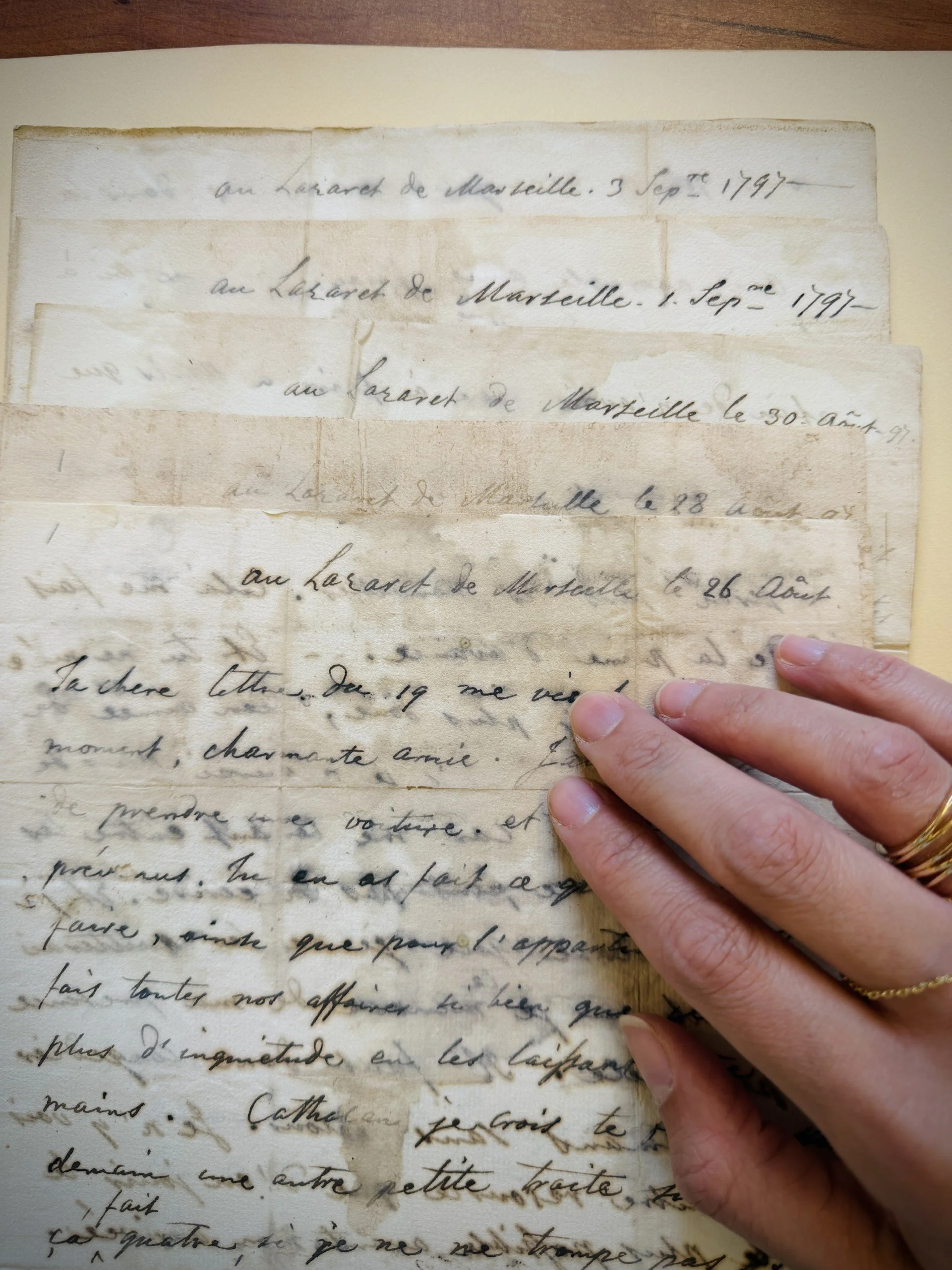
Fig. 7: Two more folders of lazaretto letters followed. He wrote his last letter from the lazaretto on September 3, 1797, just days before his release. Barlow spent 40 days in quarantine because he had just arrived from plague-stricken Algiers, where he had wrapped up his diplomatic mission, and made his way to Paris via Marseille. The dates on the letters tell us that he wrote to Ruth almost daily throughout his confinement, impatient and restless, pushing for the passport that would finally reunite them in Paris.
Dr. Lama Elsharif is a historian of the early modern and modern Middle East and North Africa, specializing in the Ottoman regencies of Tripoli, Tunis, and Algiers. She earned her Ph.D. in History from Purdue University, where her doctoral work received the 2024 College of Liberal Arts Distinguished Dissertation Award. Her research sits at the intersection of environmental, economic, and maritime history. Focusing on late 18th- and early 19th-century North African corsairing, she examines how local environmental crises—such as droughts, famines, and epidemics—drove sea-raiding strategies across the Mediterranean. A former Andrew W. Mellon Postdoctoral Fellow at the University of Pennsylvania, she is working on her book manuscript, Small Wars of Scarcity.